Big Comms Moments in 2025
2026-01-02
This past year I started a comms and design agency called Ipso Facto. Naturally, I’ve been spending a lot of time thinking about comms.
Below I’ve gathered a non-definitive list of the Big Comms Moments from 2025. These are moments that span mediums and types of communicators. They are not all examples of ‘good’ comms. Many are chosen for their representative meaning. At the end of this post I’ve bulleted some takeaways for what these moments say about the communications environment of 2026 and beyond.
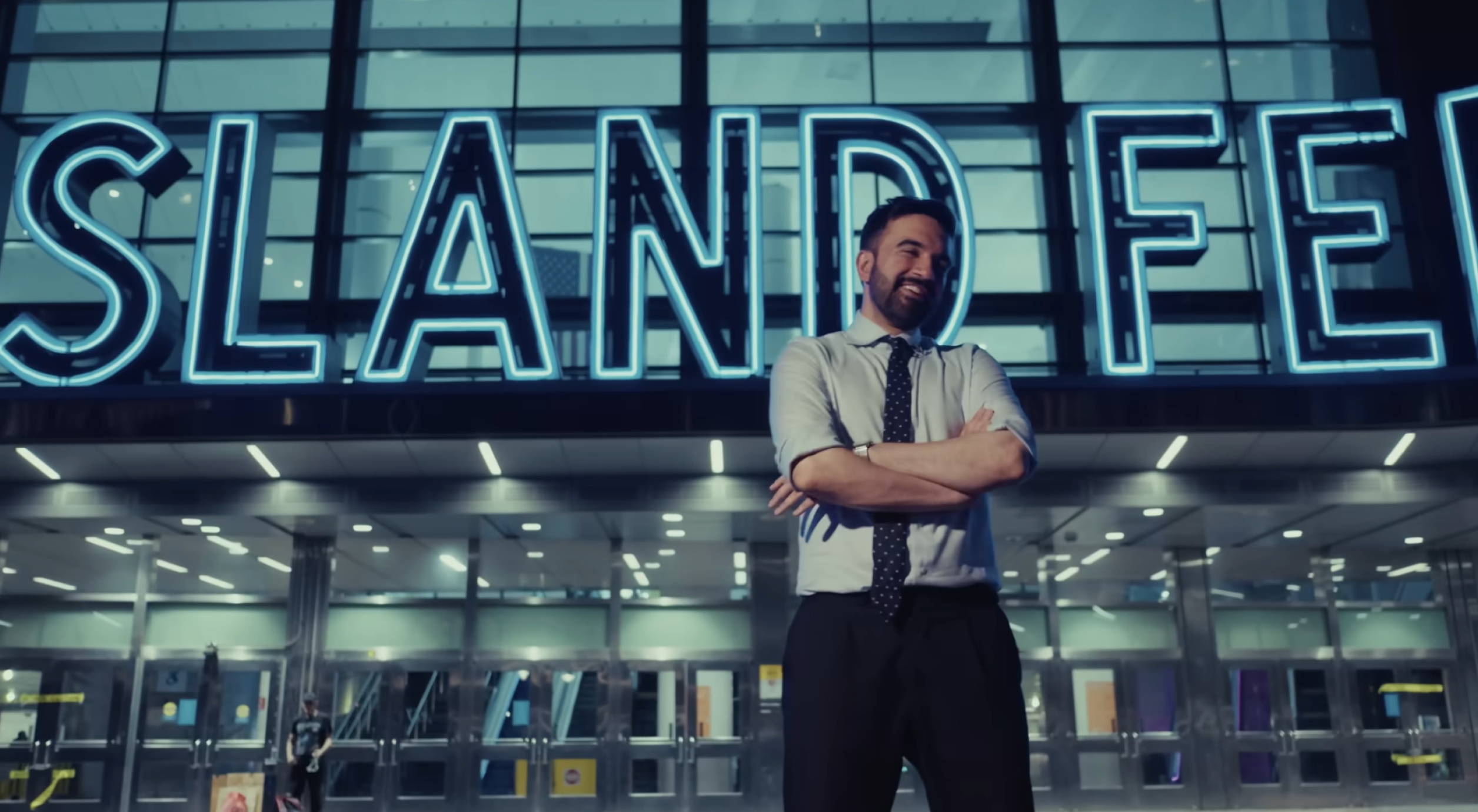
Zohran Walks the Length of Manhattan
On the eve of the Democratic primary election in New York City, the now-mayor, Zohran Mamdani, walked the length of Manhattan to greet his constituents. His video production team captured the journey and they produced, not necessarily the most viral or attention-grabbing piece of content that came out of his campaign, but the one that felt the most emblematic of a style of communications that would play a large part in him winning the office. There is warm color grading, triumphant and sentimental background music, quick, enticing cuts, and above all else, the centering of tremendously personable character.
What feels remarkable about the moment and corresponding video is that it so effortlessly does the thing that other political candidates' messages continue to fail at – coming across as real, despite being plainly self-promotional. Putting aside any ongoing debate on the meaning of the phrase ‘authentic’ in 2025, the videos put out by Mamdani’s team portray a fresh-faced politician who is comfortable walking down the street and being among the people he seeks to serve. Critically, Mamdani demonstrates how he can hold his own speaking off-script. In a content production arena that is so often reduced to gotchas, zingers, and clips, politicians who can nail the street interview and podcast taping just as much as the debate stage will continue to find success that feels transcendent as it’s happening and painfully obvious in hindsight.
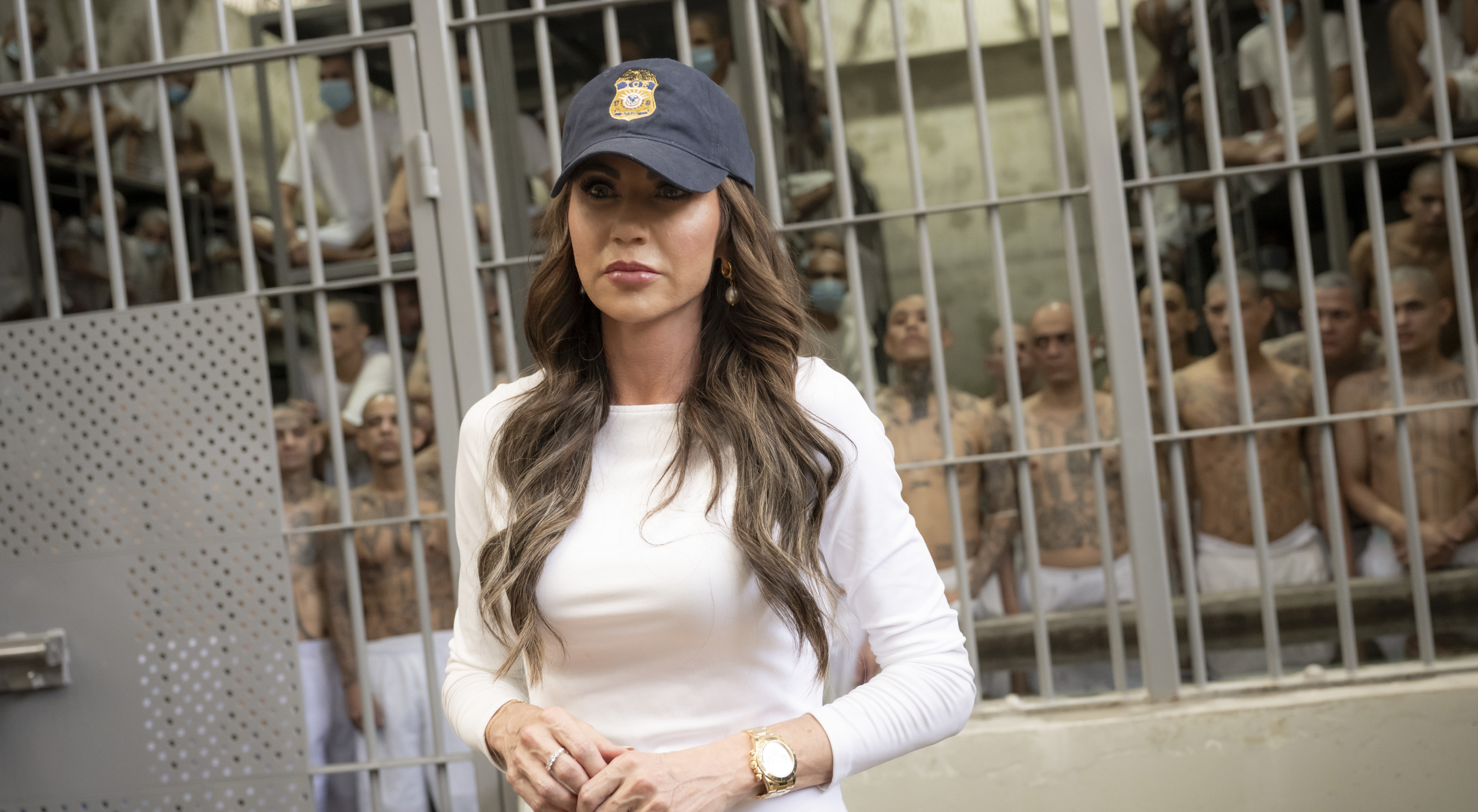
Kristi Noem Visits an El Salvadoran Detention Facility
If Zohran’s campaign videos gained traction on the back of Mr. Rogers-styled decency, the video of Secretary of Homeland Security Kristi Noem visiting the CECOT detention facility in El Salvador on March 26 grabbed attention for its despondency. The composition of the money shot – Noem poised in the foreground while prisoners huddled behind her sullenly gaze towards the camera, seemingly aware of their disposable nature – served to announce the new communications imperative of the US federal government. No matter the cost of appearing brutal (or precisely, because of it) a message of law and order would be sent.
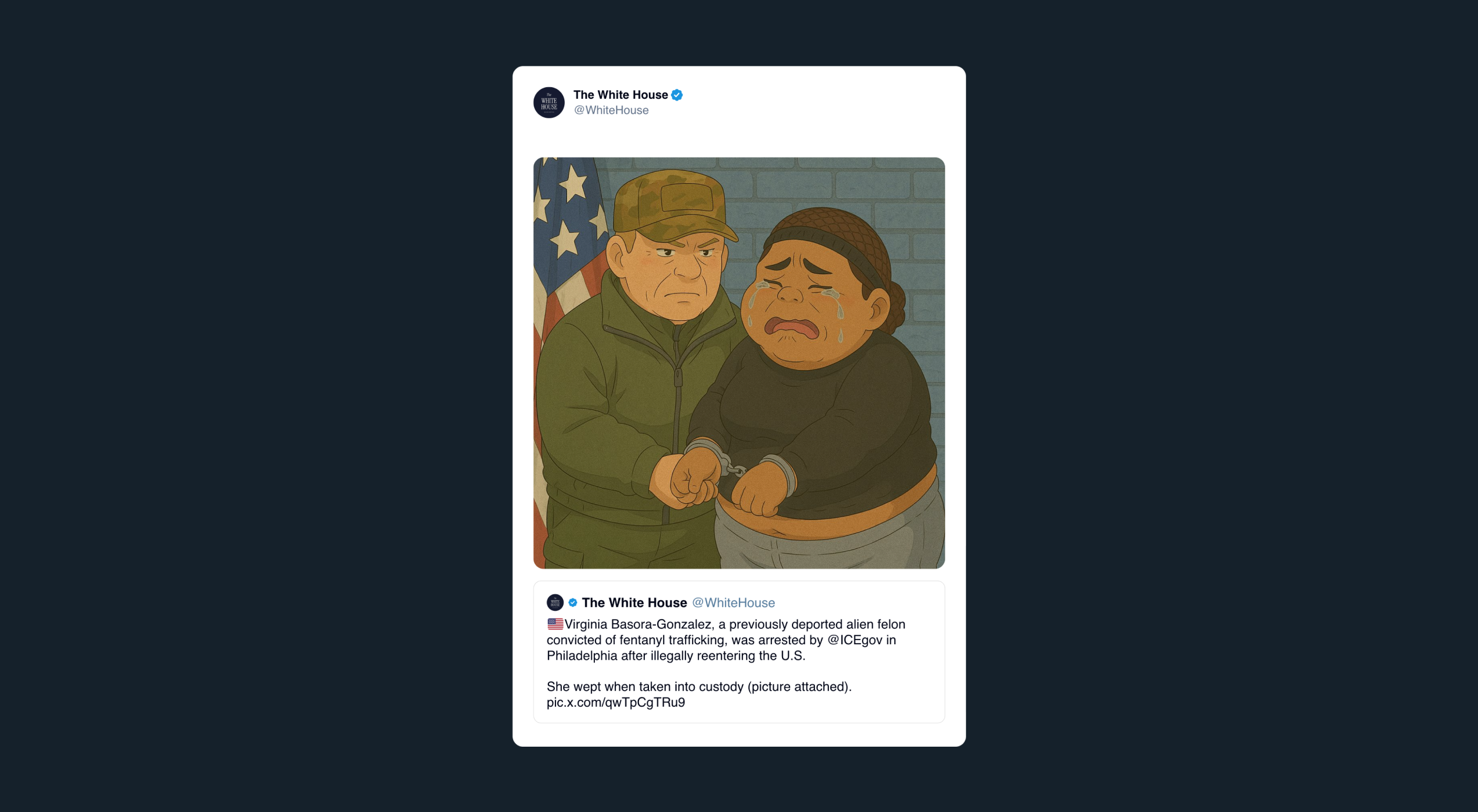
The White House Posts a Ghibli Meme
Further sending a clear message that suspected criminals would be met with brutality, the White House X account posted an AI-generated cartoon in the style of Studio Ghibli of a federal agent deporting a woman, who is in tears. Like many other entries on this list, this moment feels notable for what it symbolizes over what it directly or indirectly says.
Timothée Chalamet Delivers a Victory Speech
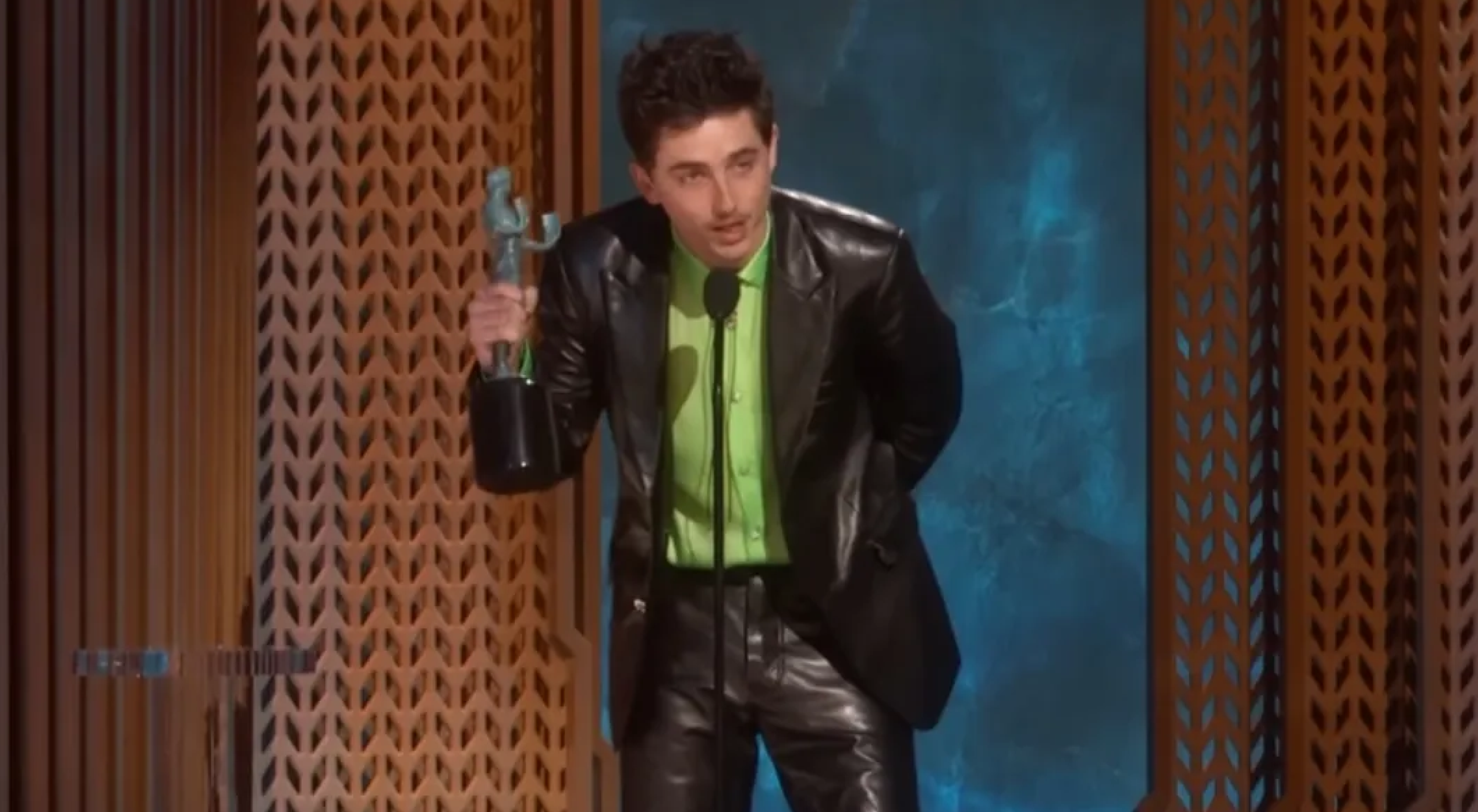
Do you remember a time before Timothée Chalamet was the main character? Believe it or not, that time was only before March of 2025. A significant part of the current moment’s Chalamet mania is attributable to the very well-orchestrated marketing campaign leading up to the release of the film Marty Supreme. While the film was not on many people’s minds when he delivered a victory speech at the SAG Awards, it's hard to not contextualize Chalamet’s unapologetic confession of being in ‘Pursuit Of Greatness’ as the spiritual beginning of the Marty Supreme press run, and likewise, the Timothée Chalamet Main Character Arc.
Beyond the speech’s relevance for Chalamet’s rising celebrity, the actual contents of his remarks are worth dwelling on. Chalamet wrestles with something relatable to anyone who, like myself, has in the recent past tripped over how they should nurture their ambition without devolving into narcissism or cutting throats. For a certain type of person who wants nothing to do with MAGA, ‘greatness’ has become a word to shy away from. And yet greatness is the thing that Zohran is after just as much as Trump. While Chalamet’s speech surely wasn’t attempting to comment on anything beyond his own career, I do think that it can be understood as one of the first mainstream examples of the left reclaiming the word and concept of greatness.
“[He] said what he was really thinking,” might be an answer to why many other acts of communication on this list elevated themselves from generic to notable. Whether you’re voicing your inner angel or demon continues to be less important than merely voicing it.
Sam Altman Has a Blip
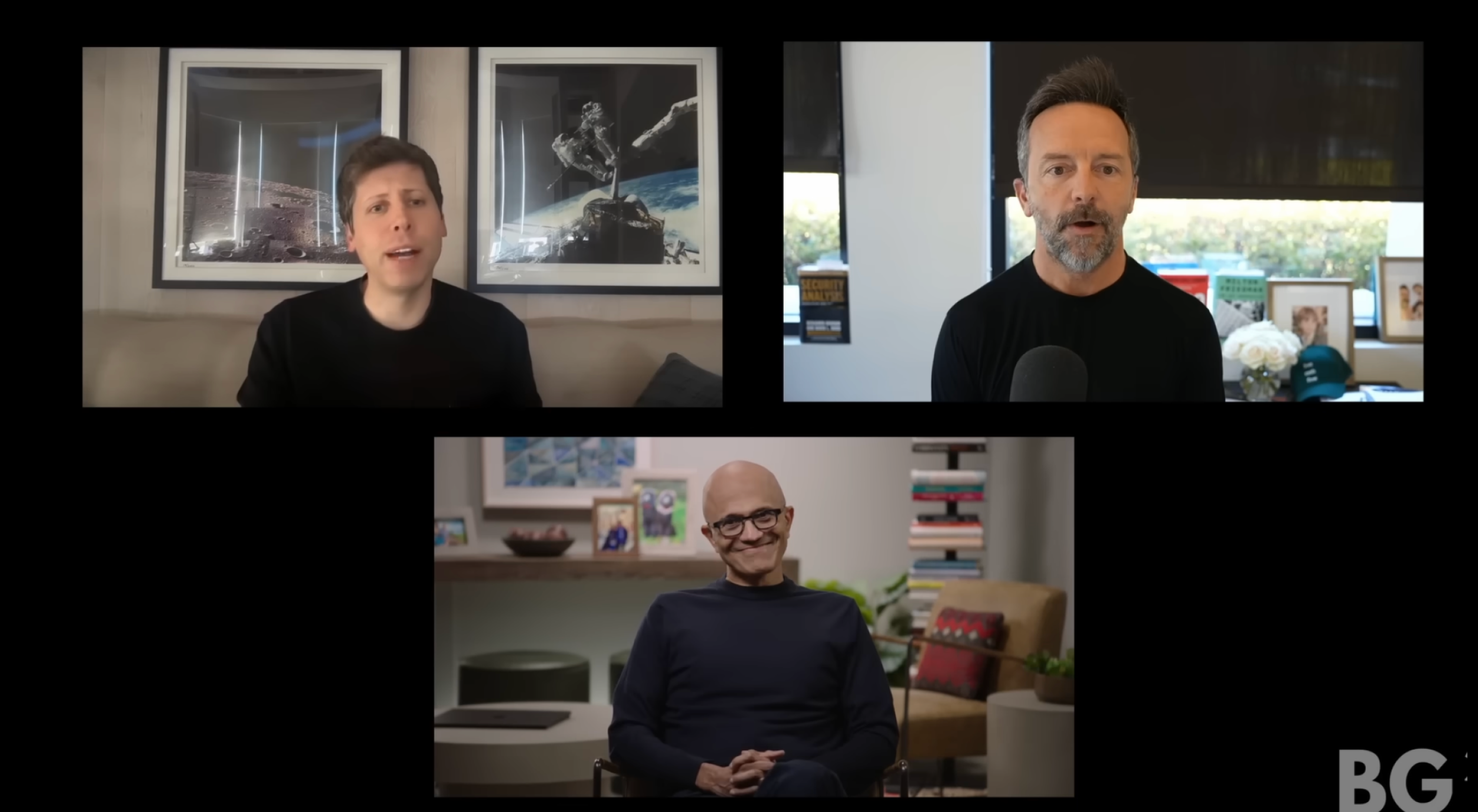
Writing this entry out, I struggle to portray it in a way that feels newsworthy, but it was at the time, and still feels important. Sam Altman, leader of the leading company aspiring to make the most transformative technology, perhaps ever, goes throughout his time speaking to the press, (somehow) without really any hiccups. This time however, he had a hiccup. Speaking to a friendly investor/interviewer who was strawmanning a common criticism regarding financial circularity, not even attributable to OpenAI specifically, but the AI industry writ-large, Altman bites back in a moment of frustration: “if you want to sell your shares I’ll find you a buyer.”
Some people called the quip a ‘crashout’ but this feels like an overstatement. I think the more interesting thing about the interaction was not what Altman said or how he said it, but the meaning projected onto his words by others. At the heart of OpenAI are a handful of interrelated tensions. The company is staffed by brilliant employees who are motivated by having impact, but also by money and power. The company is working on a technology that stands to transform the world for the better, but might also cause the extinction of humanity. As OpenAI’s leader, Sam Altman harbors these tensions perhaps more than any other person, and he is concerningly good at disguising them. His blip during this interview was a rare moment where his disguise was unmasked, and people noticed it.
Despite their very polished product launch livestreams, big AI labs are different from many other communicators on this list in that they ultimately practice a more traditional form of communications. They distinctly don’t say the quiet part out loud. As AI becomes more central in our lives, and the companies building AI continue to amass power and importance, the question I’ll be asking myself is whether or not they can sustain a communications strategy that relies on divorcing who they really are from what they say to the public.
Alex Karp Says the Quiet Part Out Loud
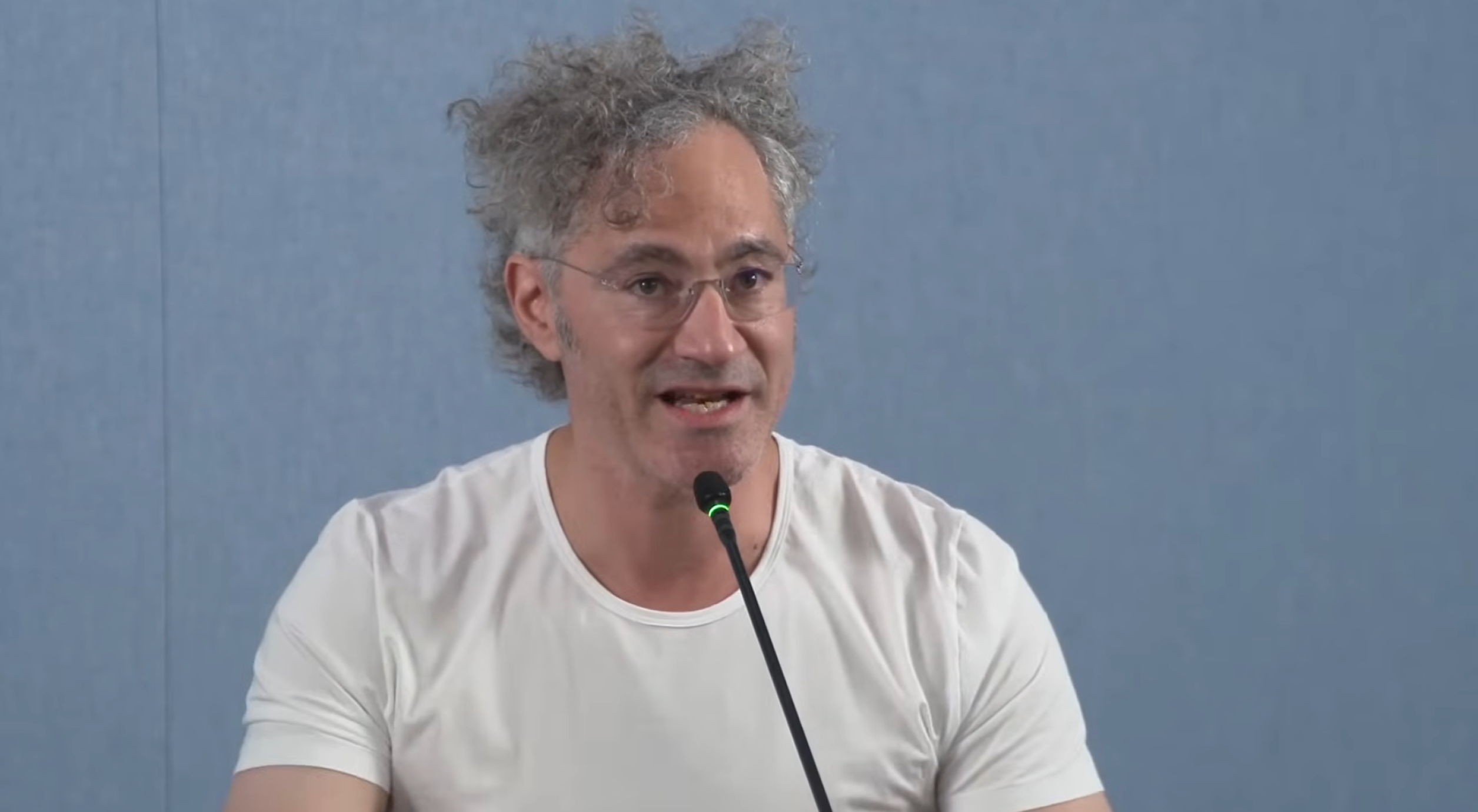
On the other end of the saying-the-quiet-part-out-loud spectrum is Alex Karp, CEO of Palantir. Alex Karp. Karp has always been one to speak his mind but this was the year he was really given an emboldened platform to do so. Amongst many quotable clips from interviews and panel talks, his most memorable line came from a Palantir earnings call: “Palantir is here to disrupt and make the institutions we partner with the very best in the world and, when it’s necessary, to scare enemies and on occasion kill them.”
I categorize Karp, alongside Palmer Luckey, Thiel, Andreessen, and other members of tech's right wing as proudly waving the anti-woke flag. These are the people who some time a few years ago started saying “retarded” again and seem to get a certain glib satisfaction from doing so.
These types of characters no doubt have been enabled by the fact that their companies and corresponding lecterns are positioned towards an audience that loves to hear them talk this way. I don’t really wish to comment on the underlying morality or ethics of their brand of communication (although, this probably can be ascertained). I think the important story with Karp and his compatriots is that their method of communicating should not be written off as a reactionary fad that will go away when Trump does, or when Woke 2 gains enough power. Increasingly balkanized and stratified (online) communications environments mean that Karp will continue to speak this way so long as there is a stakeholder demographic who appreciates it. All signs point towards there continuing to be many more people who appreciate crass honesty over shallow decorum, and now that this door on Pandora's box has been lifted, it feels like it will be difficult to return to a time and place where the sanitized press release ever holds as much weight as it once did.
Mark Zuckerberg Goes on TBPN
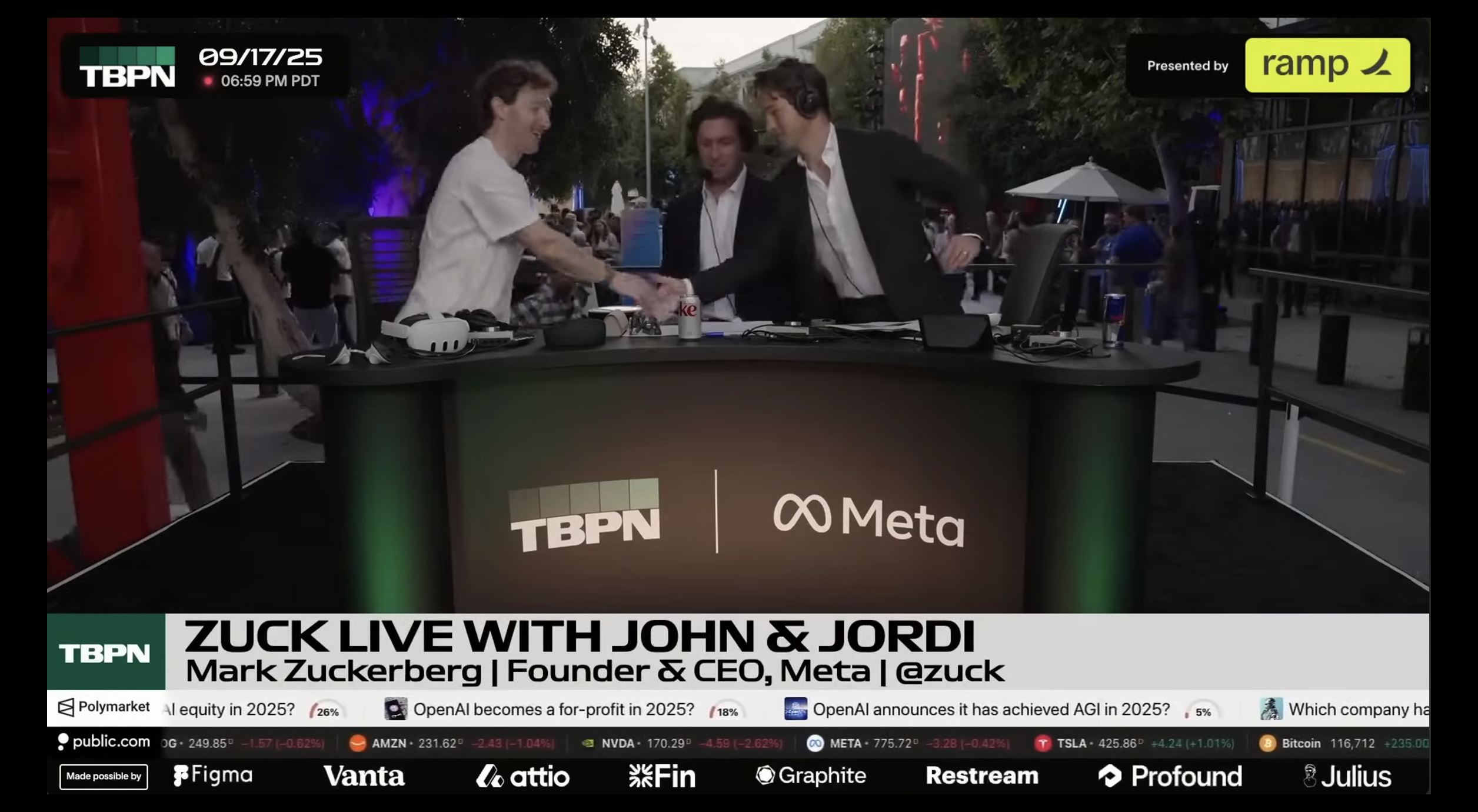
On the topic of sympathetic communications environments, there’s TBPN, the daytime technology talk show. The story of TBPN’s 2025 rise into the preeminent tech media entity feels interesting and fresh; it also feels unsurprising and lamentable. I’ll use this Mark Zuckerberg interview as a jumping off point for explaining both.
First, to the interesting and fresh part. There are a bunch of things I like and think are admirable about TBPN. I like how its hosts understand what makes for good content, are smart, and not too self-serious. I like how TBPN has animated the faces and stories behind pseudo-anonymous posts on Tech Twitter. I think that their coverage ultimately makes tech more accessible, which is a good thing. I also think that the general philosophy they operate under – that people who work on technology have the potential to build interesting and useful things, and they should be treated charitably for doing so – should be the good-faith starting point for most forms of beat media and journalism.
Now onto the lamentable stuff. In its short ascendancy TBPN has shown signs that their course correction away from the overly critical tech media environment of the 2010s has swung the pendulum too far in the opposite direction. There are times, such as the interview of Mark Zuckerberg conducted by TBPN on-site at Meta’s own Connect conference, where the outlet reveals itself as less a charitable documentarian of the technology industry and more a glorified factory for tech founder puff pieces and softballs.
It would be more than fair to say to this, “so what?” Why does TBPN have to be impartial? Why characterize it as tech journalism before just another perfectly rational, self-interested tech (media) startup whose business model is favorable sponcon and advertising? These are all fair questions that I don’t really have a rebuttal to. TBPN should keep on doing exactly what it’s doing.
What I nonetheless find lamentable is the missing middle in the tech media ecosystem. There are currently very few outlets, certainly popular ones, who can comment on technology from the inside, from a place of deep awareness and good faith, who also have not built their business model around patting the back of the powerful and wealthy. As technology becomes more deeply ingrained in our lives, such a presence becomes only more valuable and I think that an entity like TBPN can actually strengthen its media product by offering this type of coverage. In the long run, there’s very little that’s interesting to non-insiders about a trade journal.
Cluely Launches
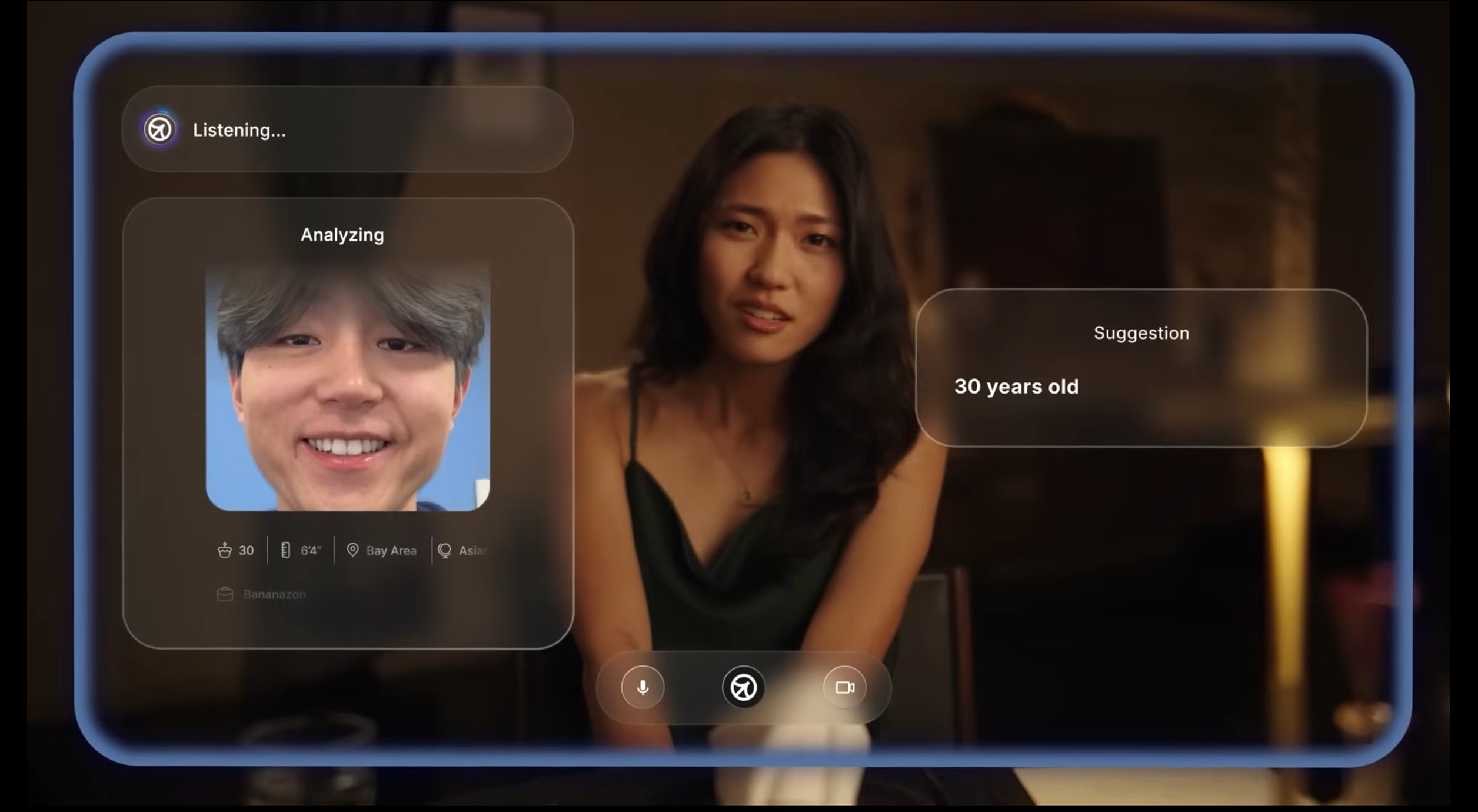
In April 2025, the technology startup Cluely launched with a video. It was hard to watch when it first came out. It’s still pretty hard to watch. I don’t want to waste any words talking about Cluely's merits as a company (seems like all signs are pointing towards scam).
Cluely, and its launch video, are helpful examples of a trend that would carry forward throughout the rest of the year, and only shows signs of continuing onwards. I call it ‘Entretainment’ (entrepreneurship + entertainment).
Entretainment is what happens when a new business’ prospects are equally weighted by its entertainment value as its actual line of business. Businesses have always been entertaining to us, but now they are literally sources of content in addition to whatever else they might do to make money. We’ve seen this for years with shows like Shark Tank. We’ve seen this with small business owners who monetize social media content of themselves powerwashing driveways.
Now we’re seeing it with technology startups, who, in the year 2025, produced increasingly high-production launch videos. The Cluely launch video was one of the earliest of this trend and still remains one of its most emblematic. What launch videos like Cluely’s represent is a bizarre marketing ouroboros where an entertaining piece of content can be used to attract users, users can be used to attract investors, and their investment capital can be used to create ever more entertaining content. Soon, it becomes hard to disambiguate if the product is actually a piece of technology, or just the video about it.
Two Big AI Books Are Published
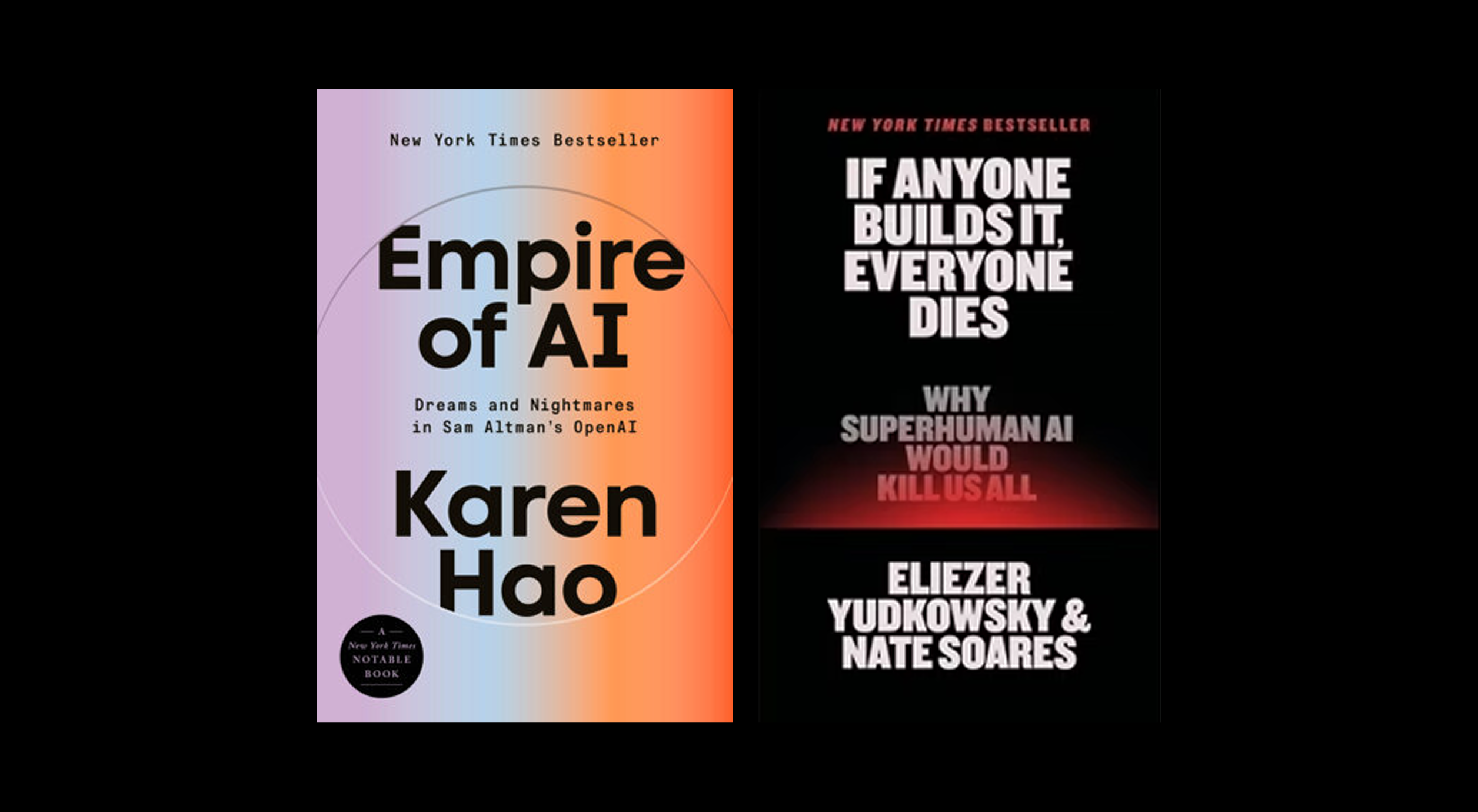
The release of Karen Hao’s Empire of AI went according to plan. After years of reporting and writing about the origin and inner workings of OpenAI, Hao logged the first entry in what will inevitably be a long list of books that critically examine the impacts of AI corporations. People bought the book, read the book, found its findings deeply concerning, and then mostly continued on with their lives. Even one of the stickiest and most actionable criticisms to come from the book – the AI water usage issue – lost its footings on the basis of what was revealed to be a factual reporting error.
The Big Comms Moment that stands behind Empire of AI is that, it wasn’t really a big comms moment. The book did all the things required by the literary activism cycle, and yet never penetrated the discourse (which is to say, affected policy, or the people building AI) in much of any meaningful way. Is this because of the political climate? The impossibility of slowing down AI progress, which now props up the world economy? The messy surface area through which a person is able to leverage criticisms of technology in 2025? If not a glossy, exhaustively-reported book that sells hundreds of thousands of copies, what is the lever through which someone is able to affect the discourse, let alone inspire action?
It would appear as if the Silent Spring publishing model is no longer relevant. In its place stands something that functions more like clickbait, even if it still takes the form of a book. Exemplifying this is the other prominent book about AI to come out in 2025 – If Anyone Builds It, Everyone Dies, by Eliezer Yudkowsky and Nate Soares. I believe a non-insignificant percentage of its relatively more pronounced effect on the year’s AI discourse can be attributed to its title, and how it bypasses needing to read the book’s inner contents. This title-as-clickbait-summary model feels like a more realistic way to still wield the proof-of-work effects of writing and publishing a book, while reckoning with the reality that very few people will actually open it up and read it.
The Abundance Label Arrives and Doesn’t Stick
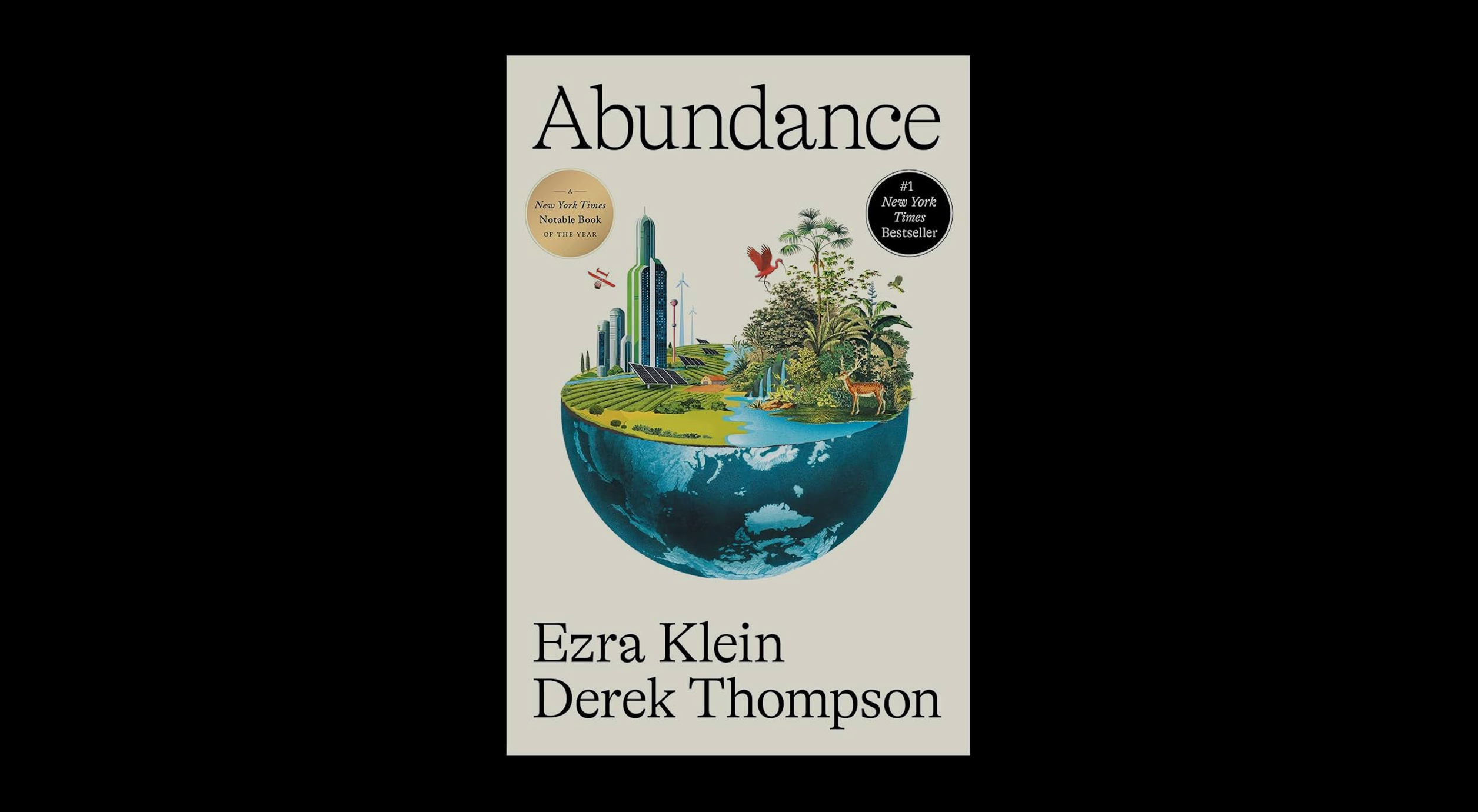
Like with Empire of AI, this was a moment defined by a fizzy book launch and a fizzled follow up period. When Ezra Klein and Derek Thompson’s Abundance came out in the spring of 2025, it felt like the christening of a political faction that had been not-so-quietly growing for a decade. The pro-growth, pro-housing, anti-Endangered Species Act Left finally got their moment in the sun. For a month it felt like my feed was dominated by people talking about the promise of the Abundance packaging. If any progressive-leaning group was to find inroads into actually shaping policy, especially within the Trump administration, it was to be the Abundance brigade. But then people just stopped using this label. ‘Yimby’ feels like a far more common phrase.
Perhaps the lesson from the Abundance launch was that a political label and a political movement are not always the same thing, and that the act of intentionally branding the latter with the former is not the easiest move to pull off. As with Empire of AI, there is a question to be asked about the role that physical books play in spurring forward ideas. Could it be the case that no amount of heft behind words can supplant the waning attention spans of the brain-rot era?
McDonald’s Embraces the Slop
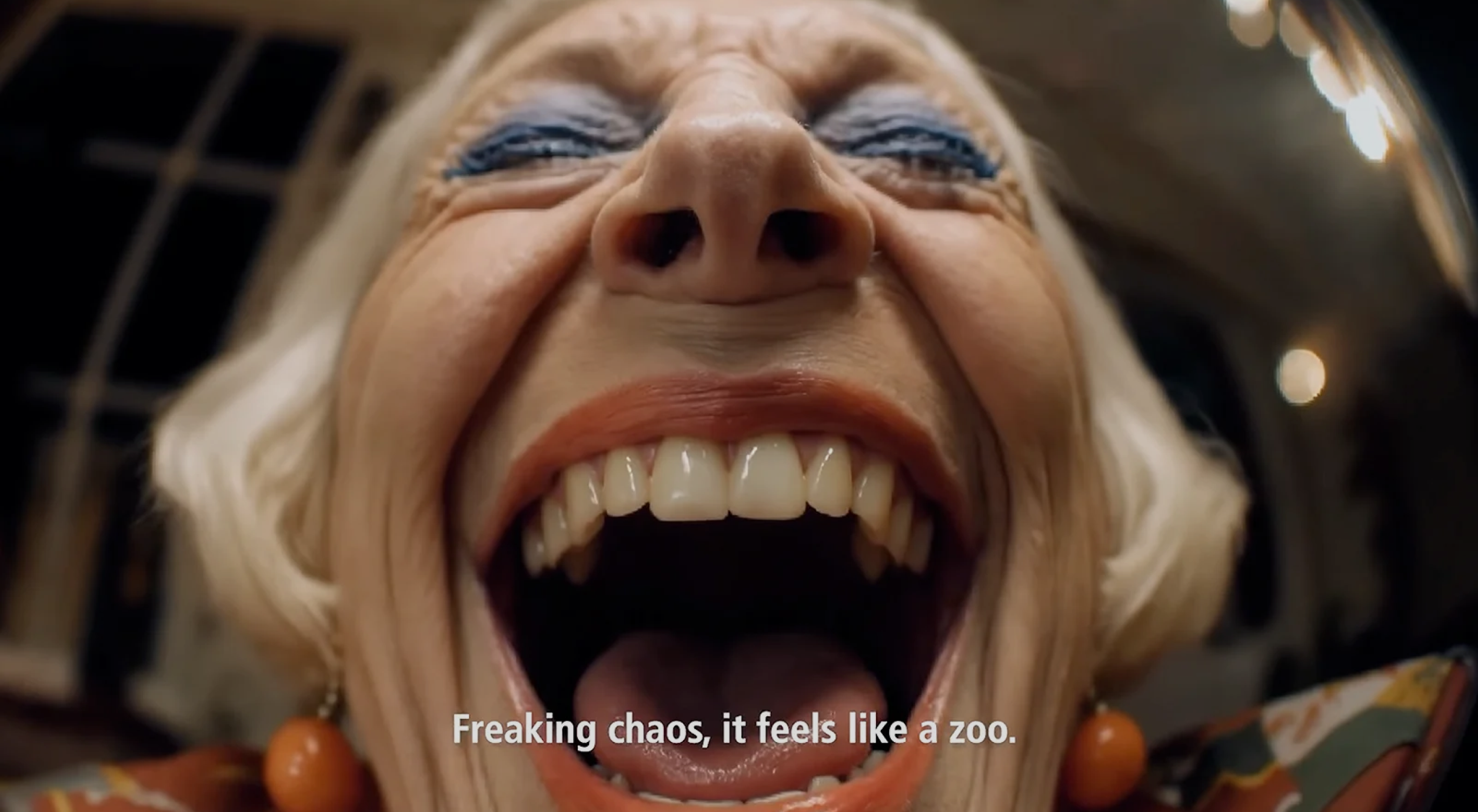
Would a list of communications trends in 2025 be complete without a mention of slop? Closing out the year, McDonald’s released an ad that was largely, if not entirely, consisting of AI-generated imagery. Viewers discerned it as such, got mad, and McDonald’s took the ad down four days later. The charade felt tone-deaf and avoidable on the part of the advertisers, but the interesting story here is not about AI backlash or a poorly conceived ad campaign. The story here is that, in the inevitable future, there will be ads just like this one, that will pass some detectability threshold and achieve their desired marketing effect. No one will notice how they are made, nor care, because AI ads will be considered standard business practice towards reducing costs and increasing profits. I think this will be true, even in the event ads are discerned to be AI-generated.
2025 was the year that the deepfake threshold was finally crossed. For the first time, media consumers regularly confront images, videos, text, and audio that they cannot immediately discern as synthetic. Equally of concern, they cannot immediately discern real media as not synthetic. 2025 was the year where the daily experience of browsing the internet entailed asking the question, “is this AI?” Many readers of this post will likely have the faculties to still answer this question confidently in either direction. But I believe that this skill is now more rare than common. Even if it feels long-awaited and anticlimactic, this is an important shift!
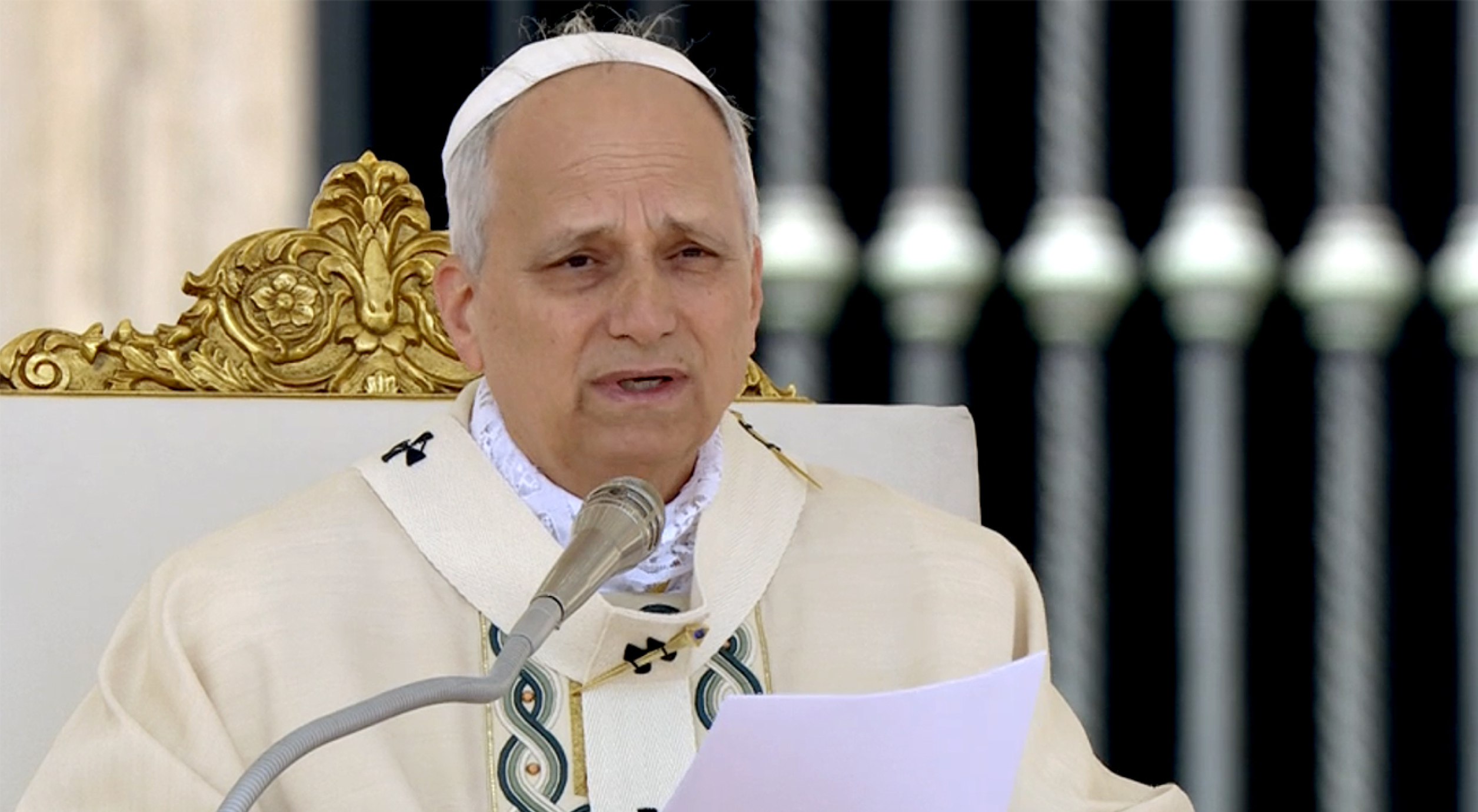
Pope Leo Gives His Inaugural Homily
I don’t have a deep analysis of Pope Leo XIV’s inaugural homily to offer. It just felt like a resonant moment that, alongside the Mamdani campaign, offered up a plea for reclaimed decency, which I think is important, and am fond of. “Brothers and sisters, this is the hour for love!” Great line.
Takeaways
- Attention spans continue to weaken. For a while, it felt like the heft and attention commanded by a physical book stood a chance to fight back against this trend. But now, even high-profile publishing events and lengthy speaking tours cannot puncture the discourse for more than a month. Will the comms meta moving forward explicitly focus on capturing fleeting awareness before deep understanding? Will mediums like the viral microsite have more of a role in disseminating big ideas?
- It feels like we need a new concept beyond the Overton Window. If mere awareness of an issue is increasingly cheap and easy to win, what does it look like to durably change a person’s mind?
- Sufficiently high quality deepfakes finally are here. They will lower our collective trust, and in the process create arbitrage opportunities for those who can lay claim to provably or presumptively ‘authentic’ communications. In 2026, I will be sending handwritten letters to clients and friends from a typewriter I recently purchased.
- The champions of anti-woke, free speech finally have their rostrum. Their politics, which lean right, might fade with coming political shifts across America and the world. However, their appeal to saying the quiet part out loud is I think here to stay. I foresee members of the left coming to champion their own version of this style of unfiltered communication.
- Despite the rise of ‘deep’ tech media like TBPN, the technology industry still lacks a stalwart source of information that is capable of at once speaking to challenges of engineering increasingly complex technology, while also not unnecessarily bowing down to industry. The people making AI, robotics, semiconductors, etc. are talented and deserve a commentator who actually understands their innovations and can dish out praise when appropriate. But they also don’t need to be infantilized. Who will be the champion of technically literate, human-centric tech media?
- Wrapping many of the trends above together, 2025 saw the return of a phrase lost in the annals of 2010s TED culture – storytelling. Why was this skill talked about so much this past year? The better question might be, why did we ever stop talking about it? One force pushing the value of storytelling is how LLMs still haven't cracked the code on quality writing. Poetically, good writing remains the thing that grants individuals agency over language-prompt-based LLMs, which, among other reasons, might be why Anthropic has been paying $300k for writers. Whether soul documents or launch videos, I see the skillset of someone who is able to translate technical complexity, craft narratives, and package them together into engaging content as continuing to be deeply valuable in the coming future. This is why I started Ipso Facto!